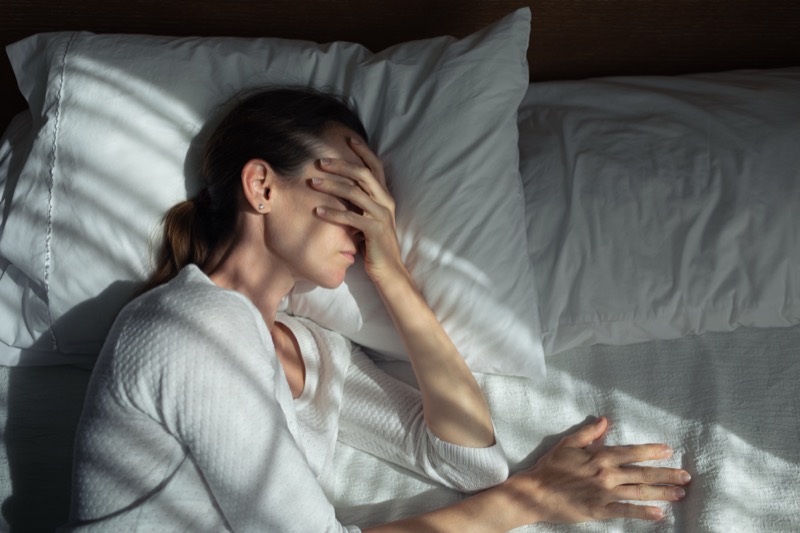
Snoring Gets the Spotlight While Oxygen Does the Damage.
Snoring gets all the attention because it’s loud, annoying, and easy for a family member to notice, but believe it or not, it's actually one of the least important side effects of sleep apnea. The real issue isn't the sound, even though it can keep people awake at night. It’s what happens when breathing narrows, stalls, or repeatedly drops off during sleep, and what that does to blood oxygen levels, the brain, and the rest of your system. NHLBI defines sleep apnea as a condition in which breathing stops and restarts many times during sleep, which can keep the body from getting enough oxygen.
Obstructive sleep apnea, the most common form, develops when the upper airway collapses during sleep. The tongue, soft palate, and other soft tissues in the throat can drift backward as relaxed muscles settle in, causing a narrowed airway until the flow of air drops. With central sleep apnea, the problem is that the brain fails to send signals that keep breathing steady. No matter the kind, sleep apnea almost certainly means that your brain is not getting the right amount of oxygen at night, and that's a problem that needs solving sooner than later.
The Airway Is an Architectural Problem
Snoring isn’t always the most reliable way of telling if a patient has sleep apnea. A patient may snore loudly without having a major oxygen problem, while another may have obstructive sleep apnea with very little noise. Even if you’re not snoring audibly, you may be spending the night moving through repeated episodes where airflow drops as your chest works harder to breathe, your body jolts awake, and your brain misses the steady oxygen and recovery it needs.
We don't say any of this to scare you, but if you suspect you may have sleep apnea, it is something to take seriously. Untreated sleep apnea can contribute to problems with concentration, memory, decision-making, and behavior because sleep becomes fragmented and oxygen levels fall over and over again.
From our perspective, sleep apnea is often an architectural problem. The key question is where the airway is being restricted and how jaw position may be contributing to that loss of space. The lower jaw, tongue, soft palate, and surrounding tissues all share a narrow passageway, so when the jaws sit too far back, the palate is narrow, or the tongue has nowhere to rest except backward, the upper airway has less room to stay open. During sleep, that limited space becomes even more important as the muscles relax and the throat softens, making it harder for air to move freely.
Why Jaw Position Matters More Than Most People Realize
That is why we care so much about the connection between jaw position and brain oxygenation. Every time obstructive sleep apnea interrupts airflow, blood oxygen levels can drop. Every time that happens, the body has to react. It raises stress signaling, disrupts deeper sleep, and pulls the patient out of the kind of restorative state that should allow the brain to recover. Over time, untreated sleep apnea can lead to high blood pressure, heart disease, stroke, and other cardiovascular problems. Snoring may be the soundtrack, but oxygen loss is the plot.
The symptom list is often broader than people expect. Yes, snoring belongs on that list, but higher are morning headaches, waking with a sore throat, dry mouth, nasal congestion, and excessive daytime sleepiness. Some patients don't feel rested even after a full night's sleep because they stop breathing or gasp during the night. These "small annoyances" are common symptoms of a condition with real possible complications.
Risk Is Bigger Than Snoring, and Bigger Than Weight Alone
The risk factors are familiar, but they are not limited to body size. Obesity, weight gain, alcohol, sedatives, a swollen tongue, enlarged tonsils, nasal blockage, and certain jaw patterns can all raise risk, right alongside family history. Middle-aged and older adults are at higher risk, but children can develop obstructive sleep apnea as well, especially when tonsils or adenoids are enlarged. Even mild sleep apnea deserves attention because the cumulative effects of intermittent oxygenation and broken sleep can still be significant.
Diagnosis should not begin and end with a partner complaining about snoring. A healthcare provider may answer questions about symptoms, screen for related health problems, and refer a patient to a sleep center for a sleep study. The sleep study helps measure what is actually happening during the night, including how often apnea occurs and how much oxygen drops. The apnea-hypopnea index, or AHI, measures the severity, but the clinical picture is important too. A healthcare provider will also look at daytime fatigue, blood pressure, airway anatomy, and other sleep disorders that may overlap.
Treatment Has to Protect the Airway and the Brain
Sleep apnea treatment has to match the airway problem in front of you. Continuous positive airway pressure remains a standard option because it helps keep the airway open during sleep. For some patients, though, oral appliance therapy or jaw-based care may be a better fit, especially when anatomy is the main driver. In other cases, surgery may be used to remove excess tissue, reduce obstruction in the nose or throat, or advance the jaws to create more airway space. Weight loss, lifestyle changes, and reducing alcohol can help, but “just lose weight” is not a complete answer when the real issue is structural airway collapse.
The most important goal is protecting oxygen intake. That is how treatment helps prevent complications and lower the risk of more serious downstream problems. Sleep apnea is not just a nuisance for the person sleeping nearby. It is one of the more underappreciated ways airway architecture can affect cognition, cardiovascular health, and how clearly a person feels and functions throughout the day.
If you’re waking with headaches, never feel fully recovered, or suspect your sleep is not delivering what your brain needs, book a consultation with us at Greenberg Orthodontics & TMJ in Pasadena today. We can help you get set up for a sleep study and make sure you get the help you need sooner rather than later.


